Add 2 more items to unlock your free mystery gift.
Complimentary item.
Total
Recommended add-on
Home/How to Choose the Right Lumbar Pack: A Beginner’s Guide to Waist Packs for Hiking
How to Choose the Right Lumbar Pack: A Beginner’s Guide to Waist Packs for Hiking
If you’re new to hiking, you might think a backpack is your only option for carrying gear on the trail. But there’s a smarter, more comfortable choice for day trips and ultralight missions: the lumbar pack. Also called a waist pack or hip pack, this underrated piece of gear lets you carry essentials without the bulk, sweat, or shoulder strain of a full backpack.
In this beginner’s guide, we’ll break down everything you need to know to choose the right lumbar pack—from capacity and fit to key features and top recommendations. By the end, you’ll know exactly what to look for and which pack will work best for your adventures.
A lumbar pack is a small bag that wraps around your waist, resting on your lower back (the lumbar region). Unlike a fanny pack that sits in front, a lumbar pack is designed to sit at your back, distributing weight across your hips and lower spine—the same area that supports a backpack’s hip belt. This placement keeps your center of gravity low and stable, making it ideal for activities where balance and agility matter, like hiking, trail running, or cycling.
Why Choose a Lumbar Pack Over a Backpack?
For short outings, a lumbar pack beats a backpack in several ways:
Less bulk: No big bag to swing around or get in the way.
Better ventilation: Your back stays cooler because there’s no pack against it.
Faster access: Reach your snacks, map, or phone without taking anything off.
Lower weight: You carry only what you need, reducing fatigue.
That said, lumbar packs aren’t for everyone or every trip. For multi-day treks or carrying a full day’s worth of gear, a backpack is still the way to go. But for a 2-3 hour hike, a lumbar pack is often the smarter, more comfortable choice.
Key Considerations
When shopping for a lumbar pack, focus on these four things:
1. Capacity
Lumbar packs come in sizes from 1L (just a phone and keys) up to 10L or more. Think about what you’ll carry:
Smallest (1-3L): For phone, keys, wallet, and a small snack. Great for short runs or festivals.
Medium (4-6L): Adds room for a water bottle, light jacket, or camera. Ideal for day hikes.
Large (7-10L+): Can fit a compact rain shell, lunch, and even a small first-aid kit. Still lighter than a backpack.
If you’re mostly a day hiker, a 5-6L pack gives you enough space without overdoing it.
2. Fit and Comfort
A good lumbar pack should sit snugly on your hips, not your waist. The hip belt should be padded and adjustable to hold the pack in place without digging in. Try it on with the pack loaded—it should feel stable when you bend or twist. Many packs have adjustable straps that let you fine-tune the fit.
3. Features
Think about what you need:
Water bottle pockets: Essential for hydration on the go.
Multiple compartments: Helps organize gear so you don’t dig for your keys.
Water resistance: Look for a durable, water-repellent fabric to protect your gear from rain or splashes.
Reflectivity: If you’ll be near roads, reflective details improve safety.
4. Quality and Durability
You want a pack that can handle rough trails and years of use. Look for quality materials (like nylon or polyester) and reliable zippers from trusted outdoor brands. Check stitching and straps—reinforced stress points last longer.
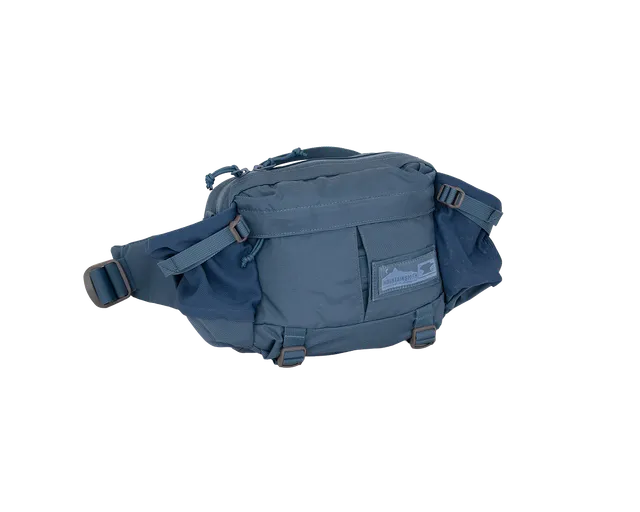
The Mountainsmith Drift is a versatile 5L waist pack designed for day hikes. It features two insulated water bottle pockets (fits most 22oz bottles), a main compartment for essentials, and a zippered pocket for quick access. The padded hip belt keeps it comfortable even when loaded.
This pack is a popular choice for hikers who want a balance between capacity and agility. It’s also available in several colors, so you can express your style.
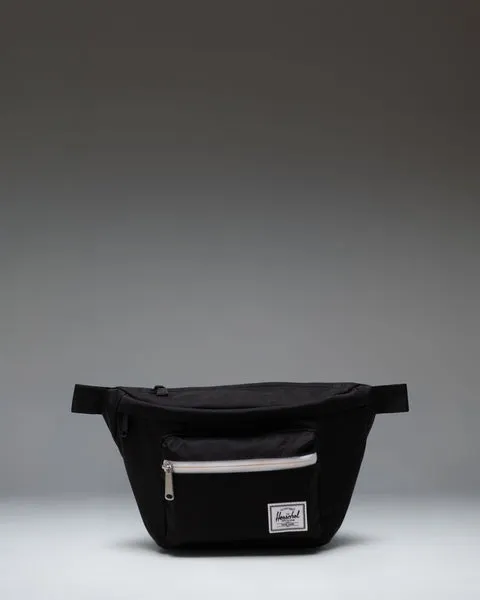
Herschel Supply Pop Quiz Hip Pack
If your needs are simpler, the Herschel Pop Quiz is a sleek 2-pocket waist bag perfect for carrying your phone, wallet, and keys. It’s less rugged than a dedicated hiking pack but works great for urban exploring, festivals, or short walks where you just need your essentials.
For more technical adventures, the Mountainsmith Drift is the better pick. But for everyday use, the Pop Quiz adds style without skimping on function.
How to Use Your Lumbar Pack
Adjust the straps so the pack rests on your lower back, just above your hips. Tighten until it feels secure but not restrictive. You should be able to walk and bend naturally. Place heavier items closer to your body for better balance.
Common Mistakes to Avoid
Sizing wrong: A pack that’s too big encourages you to carry too much, defeating the purpose. Start small—you can always upgrade later.
Ignoring water bottle compatibility: If you want to carry a bottle, check the pocket size. The Drift fits most 22oz bottles, but others may not.
Overloading: Keep the weight even and under about 10 pounds. Overloading leads to sore hips and back.
Not testing before buying: If possible, try the pack with your typical items to ensure it fits comfortably.
Final Thoughts
A lumbar pack is a game-changer for day hikers and minimalist adventurers. It keeps your essentials close, your back cool, and your feet light. Start with a quality pack like the Mountainsmith Drift, and you’ll see why so many outdoor enthusiasts make the switch.
Ready to find your perfect lumbar pack? Explore our full selection and enjoy the freedom of carrying less.